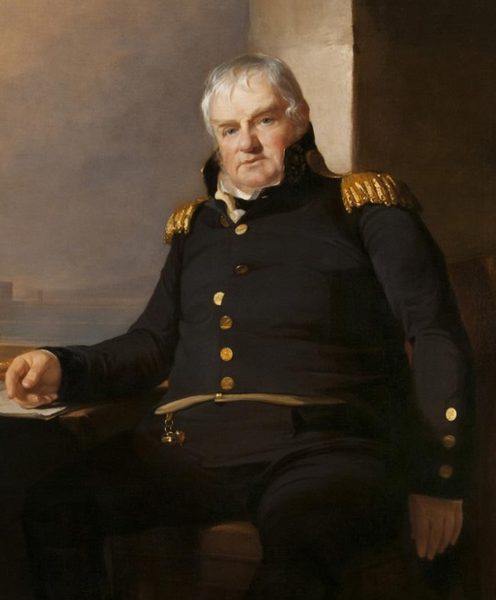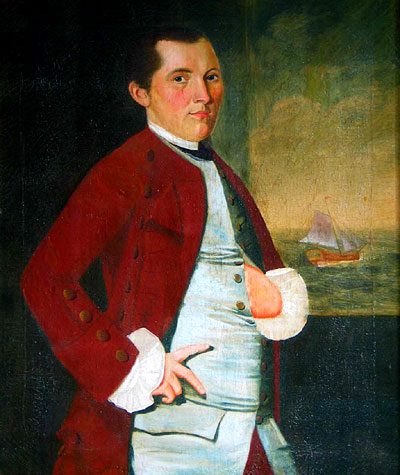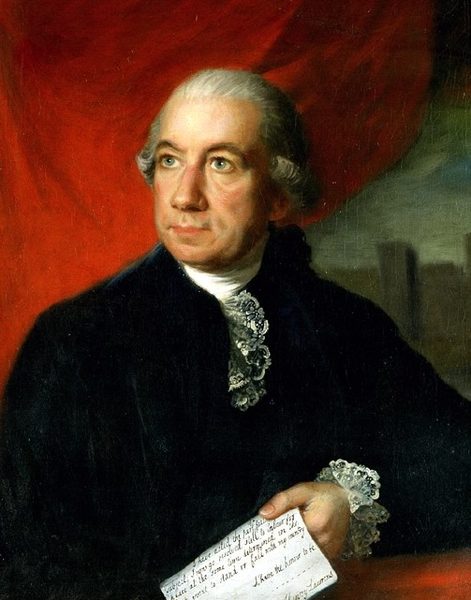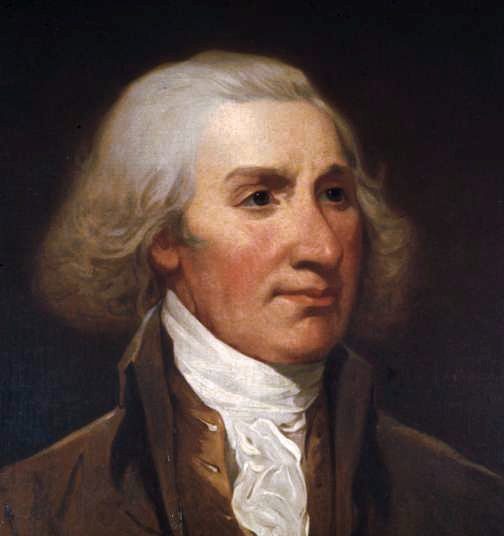
People

The 47 most prominent correspondents in the collection: 1771–1783
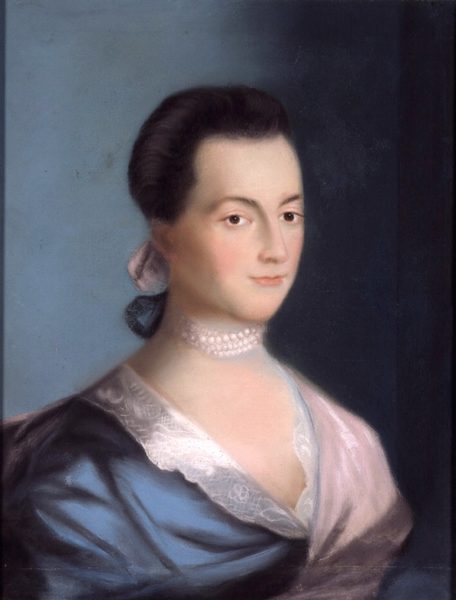
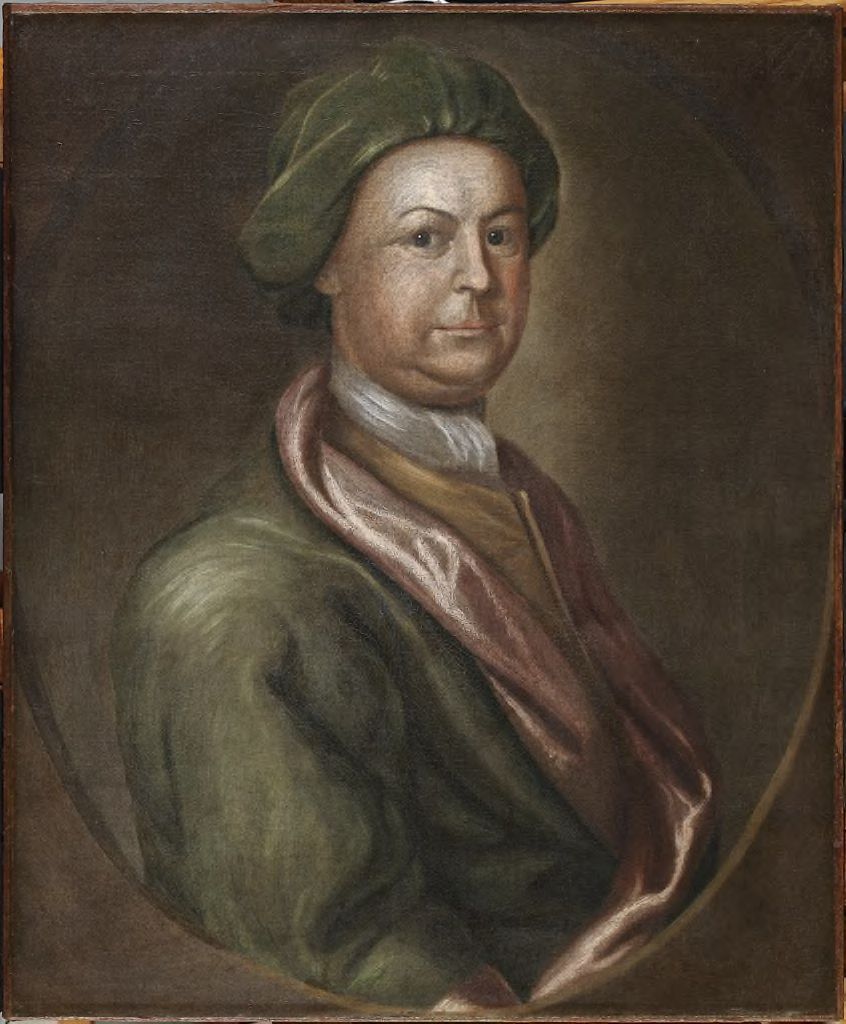
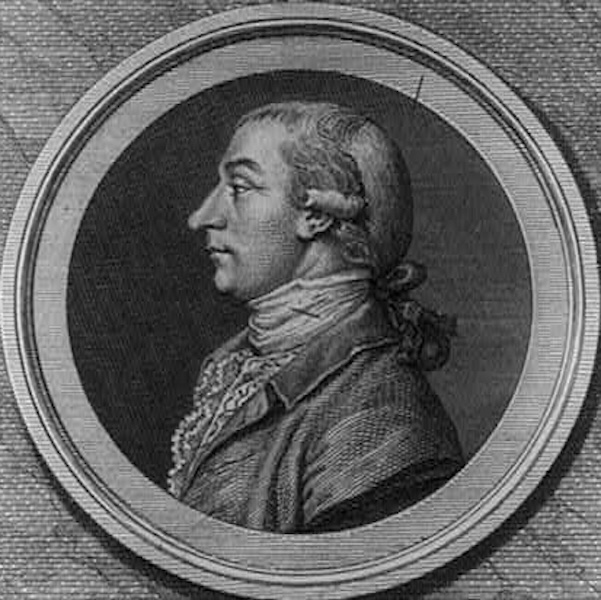
Abigail Adams

Abigail Adams

1744 – 1818

First Lady of the United States from 1797 to 1801

Wikidata
Image: Benjamin Blyth · Public domain
Read more Show less

Biography

Abigail Adams, a prolific letter writer and intellectual, served as First Lady of the United States from 1797 to 1801. During the American Revolution, the self-educated Adams managed the family farm in Braintree, MA, while her husband John Adams served in the Continental Congress and as an American diplomat in Europe. She was his closest confidant and advisor. Writing frequently to John, her “dearest friend,” Abigail admonished her husband to “remember the ladies” in the spring of 1776 as Congress began taking steps toward independence from Great Britain. Abigail believed that women ought to have greater legal rights over their property and new laws protecting them from domestic violence in the new nation. At the end of the War for Independence, Abigail traveled to Paris, Philadelphia, New York, and Washington, D.C. as John served in several government offices, including the presidency.

Sources

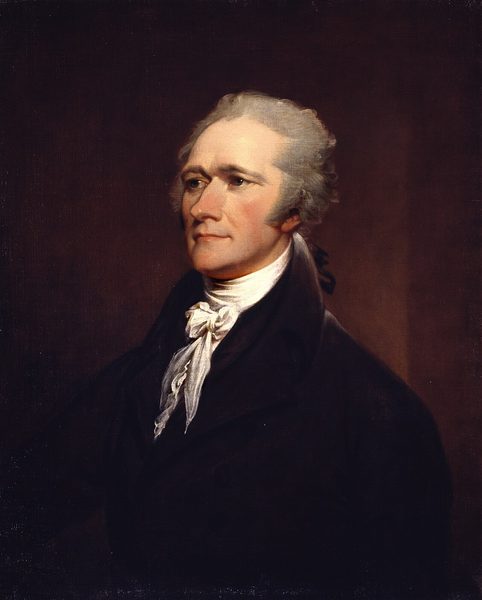
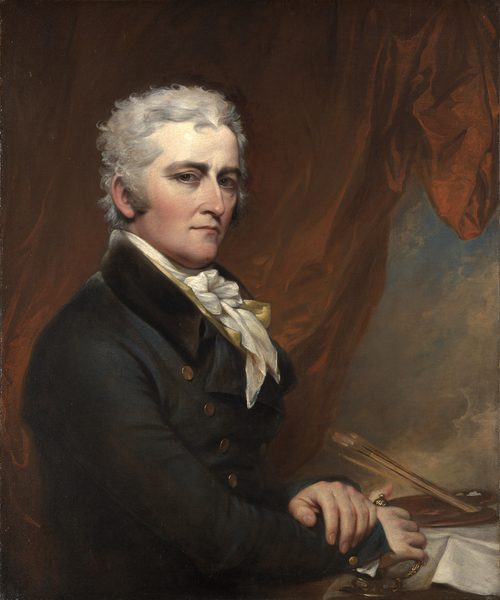
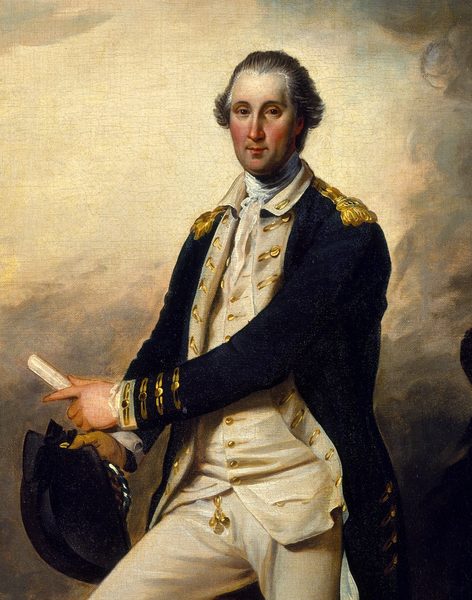
Alexander Hamilton

Alexander Hamilton

1757 – 1804

American Founding Father and statesman (1755/1757–1804)

Wikidata
Image: John Trumbull · Public domain
Read more Show less

Biography

Alexander Hamilton initially gained fame while serving as George Washington’s aide-de-camp from 1777-1781. In 1780 he married Eliza Schuyler, daughter of Continental Amry officer Phillip Schuyler. In 1781 he played a key role during the victory at Yorktown, helping the Patriots win the battle. After the war he settled in Albany, where he practiced law and politics. During this time, he argued for a stronger federal government, writing most of the Federalist papers. He later served as Secretary of the Treasury under first president George Washington from 1789-1795. He was killed in a duel with then Vice-President Aaron Burr in 1804.

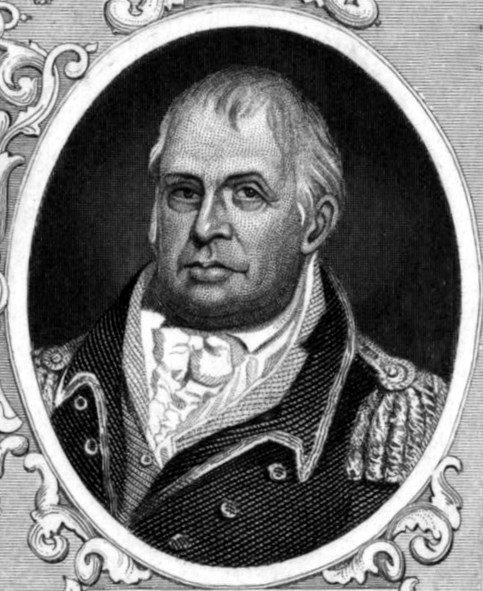
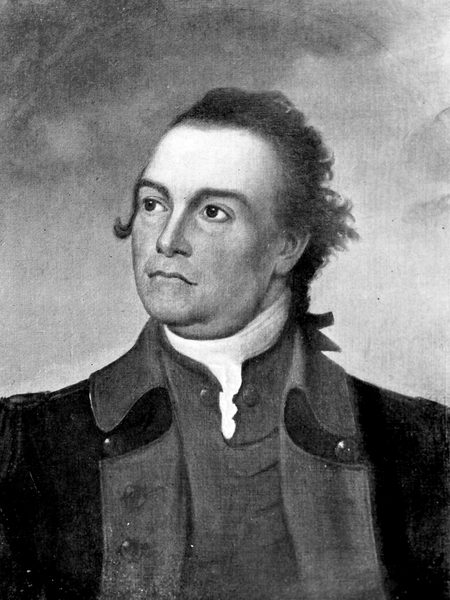
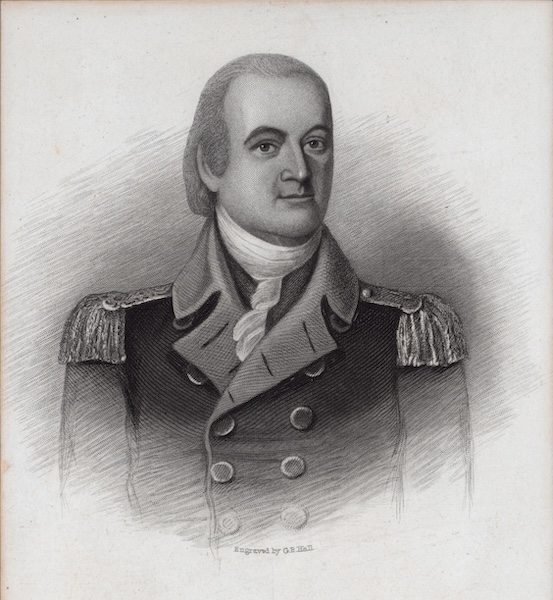
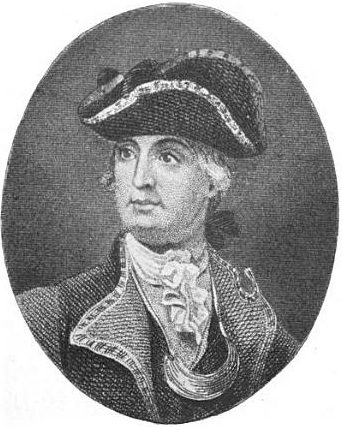
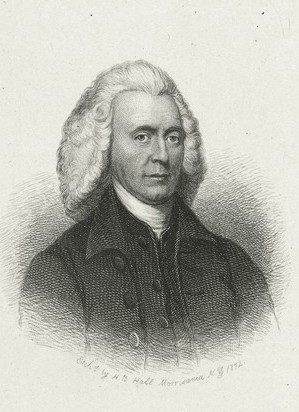
Alexander McDougall

Alexander McDougall

1731 – 1786

Politician, privateer and Continental Army general (1731-1786)

Wikidata
Image: H. B. Hall · Public domain
Read more Show less

Biography

Alexander McDougall was a Scotch immigrant who became a successful New York merchant and radical politician. Despite his limited military experience in the Seven Years War, McDougall was commissioned colonel of the 1st New York Regiment on June 30th, 1775. Promoted to Continental Brigadier General in August of 1776 and promoted again to Major General two months later, McDougall fought at the battles of Long Island and White Plains although much of his service was spent in the Hudson Highlands. In addition to his military service, McDougall was a member of the Continental Congress in 1781 and 1782.

Sources

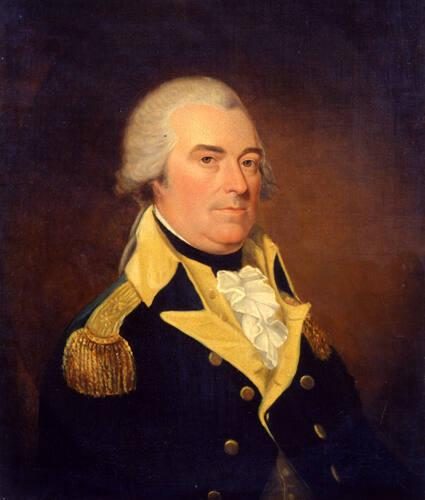
Anthony Wayne

Anthony Wayne

1745 – 1796

Continental Army general and statesman

Wikidata
Image: Edward Savage · Public domain
Read more Show less

Biography

Anthony Wayne was a member of Pennsylvania’s general assembly and the colony’s committee of safety. Despite having no prior military service, he was commissioned as a colonel of the 4th Pennsylvania Regiment on January 3rd, 1776. He quickly earned a reputation as one of the army’s best young officers and in February 1777, was promoted to Brigadier General. Wayne played a prominent role in the northern campaigns, and won a daring victory at Stony Point, NY in July 1779. In 1781 and 1782 Wayne commanded the Pennsylvania line in the south. In 1781 a soldier called him “Mad Anthony” implying he was insane, however, the nickname became popular as a nod to Wayne’s impetuosity in battle.

Sources

Arthur Lee

Arthur Lee

1740 – 1792

Politician and diplomat

Wikidata
Image: Cazenove Gardner Lee · Public domain
Read more Show less

Biography

Arthur Lee was born in the Virginia Colony before being trained in medicine and law abroad. He settled in London and stayed there during the Revolutionary War, helping the colonial cause by serving as a diplomat. While in London he became known among radical English groups.

Sources

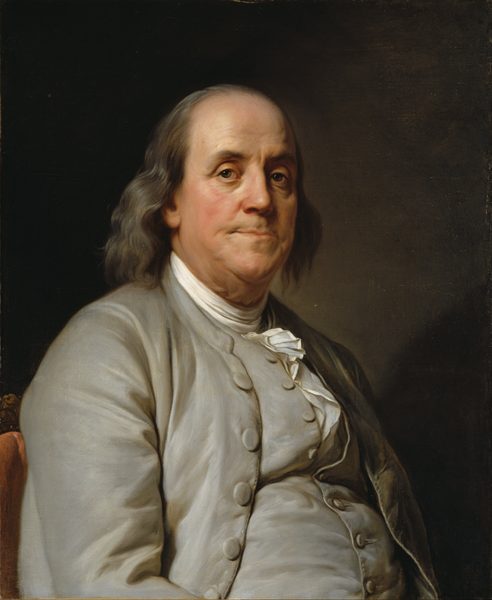
Benjamin Franklin

Benjamin Franklin

1706 – 1790

American polymath and statesman (1706–1790)

Wikidata
Image: Joseph-Siffred Duplessis · Public domain
Read more Show less

Biography

Benjamin Franklin first became known as a successful printer in Philadelphia, before moving up the political and social ladder. Franklin was on the committee of five and signed the Declaration of Independence. A true Polymath, Franklin was an author, inventor, statesman, diplomat, and scientist. Franklin spent much of his adult life in England and France, espousing enlightenment ideas on the behalf of the new American republic.

Benjamin Harrison

Benjamin Harrison

1726 – 1791

American planter and merchant (1726-1791)

Wikidata
Image: Unknown authorUnknown author · CC BY-SA 4.0
Read more Show less

Biography

Benjamin Harrison served with George Washington in the Virginia House of Burgesses, he was also a delegate to the First and Second Continental Congress, signing the Declaration of Independence. He served in various committees during the war and was named to the Board of War in June of 1776. Upon returning to Virginia, he served in the House of Delegates from 1778-1781, and then as Governor from 1781-1784.

Sources

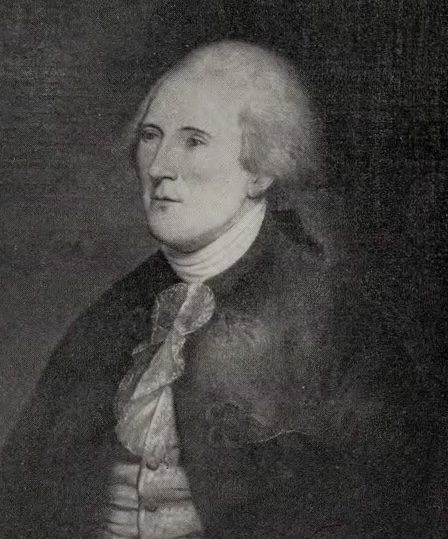
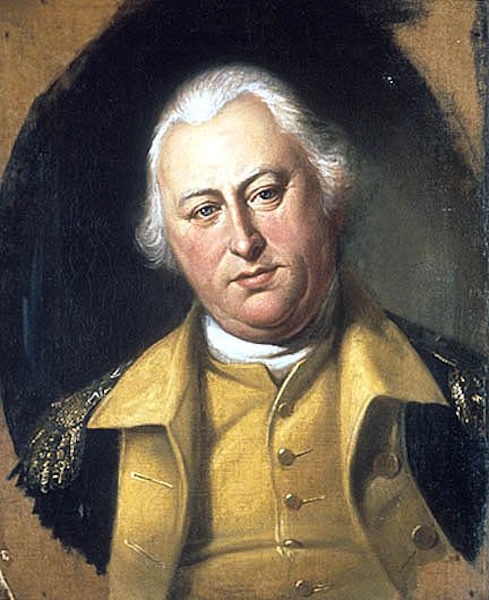
Benjamin Lincoln

Benjamin Lincoln

1733 – 1810

Biography forthcoming.

Image: Charles Willson Peale · PublicDomain
Read more Show less

Biography

Benjamin Lincoln was made a major general in the Continental Army in 1777, serving with George Washington. In 1778 he was given command of the Army in the southern department, surrendering and being captured at Charleston in 1780. He was exchanged in time to participate in the Siege of Yorktown. He served as secretary at war for the Congress from 1781 to 1783, and after the war he led the army that put down Shay’s rebellion.

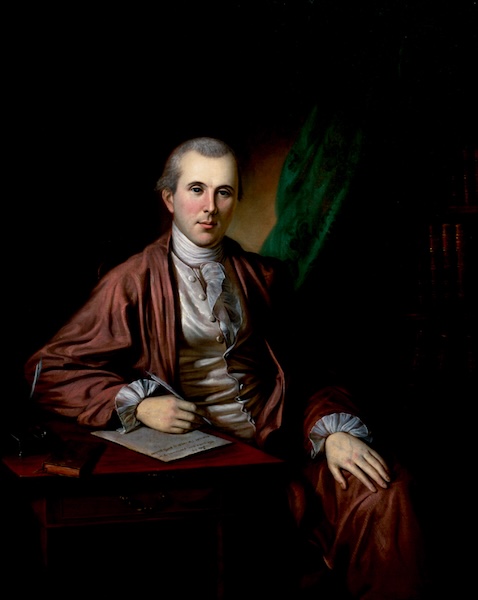
Benjamin Rush

Benjamin Rush

1746 – 1813

Biography forthcoming.

Image: Charles Wilson Peale · PublicDomain
Read more Show less

Biography

Benjamin Rush, a Philadelphia native, was a prominent writer, physician, professor, and political leader. He was a signer of the Declaration of Independence and helped lead the fight against yellow fever. He founded the Philadelphia Dispensary of the Relief of the Poor, and spent the last fourteen years of his life as treasurer of the United States Mint.

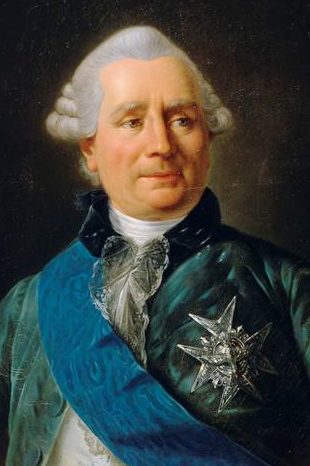
Charles Gravier Vergennes, comte de

Charles Gravier Vergennes, comte de

1719 – 1787

French diplomat (1719-1787)

Wikidata
Image: Antoine-François Callet · Public domain
Read more Show less

Biography

Charles Gravier Vergennes served as the French Foreign Minister from 1774-1787. Vergennes entered that position with a desire to decrease British power, which had been increased following the defeat of the French in the Seven Years War. The Revolutionary War gave Gravier the chance to act on his desire, following the American victory at Saratoga, the French entered the war. At the peace of Paris, Gravier did not attempt to regain North American territory lost by the French and instead helped the Americans gain fair terms of peace.

CD

Charles-Guillaume-Frédéric Dumas

1721 – 1796

Dutch-American diplomat

Read more Show less

Biography

Charles William Frederick Dumas was born in Germany to French parents, living in Switzerland and then immigrating to The Hague in 1756. Throughout the revolutionary era Dumas acted as an agent and the unofficial charge d’affaires for the United States. In his unofficial position he acted as an advisor, gatherer of intelligence, and translator. Praised by both John Adams and Benjamin Franklin for his intelligence, Dumas made himself indispensable, although it is unclear why he was never given an official position.

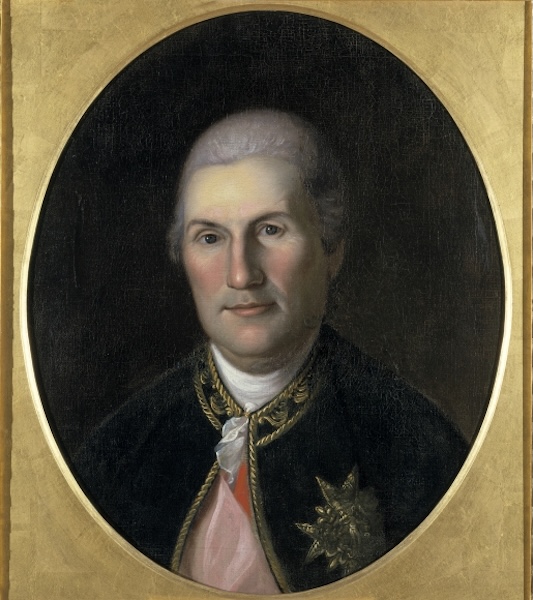
Comte de Rochambeau

Comte de Rochambeau

1725 – 1807

Biography forthcoming.

Image: Charles Willson Peale · PublicDomain
Read more Show less

Biography

Jean-Baptiste-Donatien de Vimeur, Comte de Rochambeau was the commander of the French expeditionary force in the United States. Working with George Washington, Rochambeau played a pivotal role in the decisive victory at Yorktown that effectively won the Revolutionary War fpr the Americans.
EJ

Edmund Jenings

Biography forthcoming.

Read more Show less

Biography

Edmund Jennings was born in Maryland in 1731. He was educated in Cambridge where he lived a life of leisure, practicing a little bit of law. He was living in Brussels throughout the late 1770s and 80s and was introduced to John Adams by Arthur Lee. Through his correspondence with Adams, Jenings proved to be useful. Both during and after the war Jenings provided Adams with news and publications from England, while also planting pro-America writings by Adams and himself into the English press. Admired by John Adams, Jenings was a valuable asset to the Patriot cause, although he is not as well known as some others.

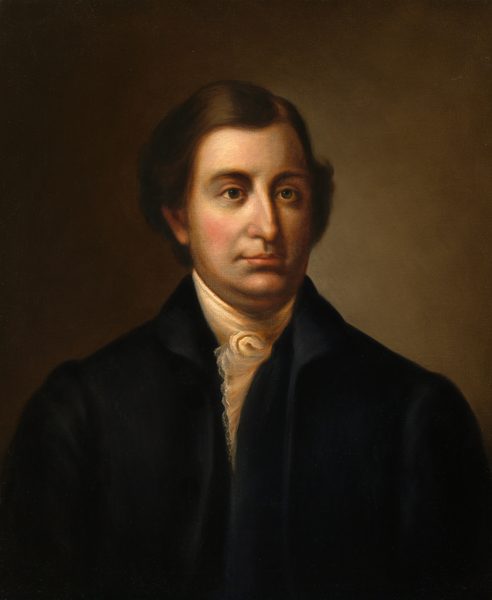
Edmund Pendleton

Edmund Pendleton

1721 – 1803

Politician from Virginia

Wikidata
Image: Henry Bryan Hall · Public domain
Read more Show less

Biography

Edmund Pendleton was a revolutionary and lawyer from Caroline County, Virginia. A member of the Virginia House of Burgesses and the Virginia Committee of Correspondence, he climbed his way up to become a delegate to the first Continental Congress. Pendleton helped draft Virginia’s constitution, revise the state’s law codes, and became the first speaker of the Virginia House of Delegates. Thomas Jefferson wrote fondly of Pendleton both as a debater and as a friend. He appears outspoken in John Adams’ notes of the Continental Congress.

Edmund Randolph

Edmund Randolph

1753 – 1813

Attorney and Constitutional Delegate from Virginia

Wikidata
Image: Casimir Gregory Stapko · Public domain
Read more Show less

Biography

Edmund Randolph was an attorney and public official from Henrico County, Virginia. He studied at the College of William and Mary before reading law with his father. However, when the Revolutionary War broke out, his loyalist parents fled to England while Randolph became George Washington’s Aide-de-camp in the Continental Army. Serving under Washington very briefly, Randolph become a delegate to the Virginia Convention in 1776, helping to draft the Virginia Declaration of Rights and the new State Constitution. He went on to serve in the Continental Congress in 1779 and 1781 and as Governor of Virginia. Later on, he was a delegate to the Constitutional Convention, where he and fellow Virginian George Mason refused to sign the new document. He briefly served as the 2nd Secretary of State from 1794-1795, before resigning and returning to his law practice in Richmond. He spent his final few years suffering from paralysis, dying in 1813.

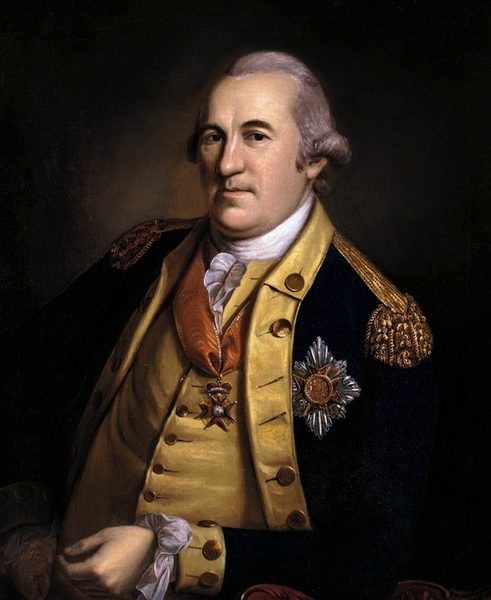
Friedrich Wilhelm Ludolf Gerhard Augustin Steuben, Baron von

Friedrich Wilhelm Ludolf Gerhard Augustin Steuben, Baron von

1730 – 1794

Prussian officer and US Continental army general (1730-1794)

Wikidata
Image: Charles Willson Peale · Public domain
Read more Show less

Biography

Baron Von Steuben was a Prussian Army Officer and Veteran of the Seven Years War. After the Seven Years war, Steuben served as the Grand Marshall to the Prince of Hollenzollern-Hechingen from 1764-1777. Around 1775 Steuben began to search for other work and in 1777 he traveled to France, where he had heard talk of riches to be won fighting in the Revolution across the pond. Offering his services as a volunteer, Steuben got the French government to agree to pay his passage to the United States, and he arrived in New Hampshire on December 1st, 1777. Traveling overland, Steuben arrived at Valley Forge on February 23rd, 1778. Steuben immediately went to work writing up drills in hopes of turning the ragtag army into a war machine, he managed to create one standard drill method and unified the Continental Army. By the spring, Steuben had transformed the fledgling army into a fighting force. Steuben went on to command a division at the Victory at Yorktown, solidifying his legacy. He retied to his farm in New York, where he died in 1794.

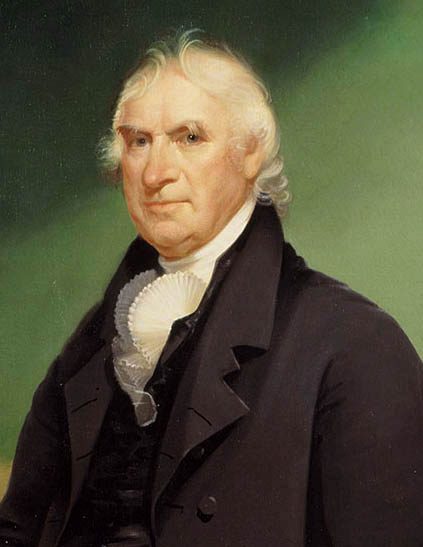
George Clinton

George Clinton

1739 – 1812

Vice President of the United States from 1805 to 1812

Wikidata
Image: Ezra Ames (May 5, 1768 – February 23, 1836) · Public domain
Read more Show less

Biography

George Clinton was a lawyer and veteran of the Seven Years War before becoming a Brigadier General in the New York militia in 1775. In 1777, Clinton became a Brigadier General in the Continental Army. Ultimately, it was not his military service that distinguished him, but his skills as a politician. Serving as Governor of New York from 1777-1795 and again from 1801-1804, Clinton was a staunch Anti-Federalist who led the fight against the ratification of the Constitution. Following his second term as the Governor of New York, Clinton served as Vice President from 1805 until his death in 1812, becoming the first Vice President to die in office.

George Washington

George Washington

1732 – 1799

founding Father and first U.S. president; soldier and slave owner (1732–1799)

Wikidata
Image: Gilbert Stuart · Public domain
Read more Show less

Biography

George Washington was the Commander of the Continental Army throughout the American revolutionary war. A Virginia native, Washington had led troops in the first battle of what became the Seven Years War. Responsible for the entire Continental Army, Washington’s wisdom and cunning slowly won the hearts of his countrymen before winning a final victory over the British at Yorktown. After the war, Washington resigned as commander and returned to his home at Mount Vernon, but just a few years later he came out of his retirement by the need to hold a Constitutional Convention. Chosen unanimously to serve as President of the Constitutional Convention, Washington worked tirelessly to get the Constitution ratified. After its ratification Washington was elected as first President of the United States. Washington left office after two terms and retired to Mount Vernon, where he died in 1799.

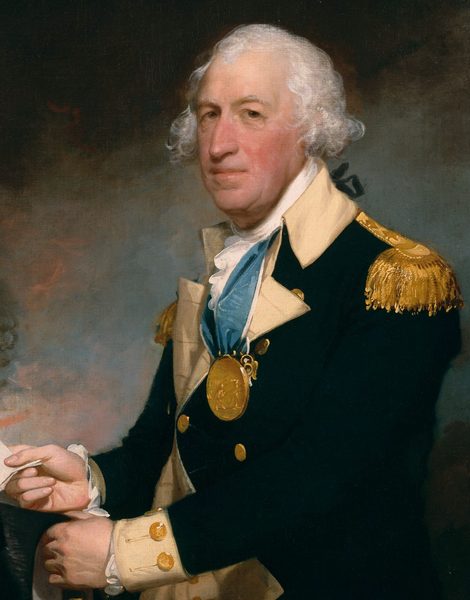
Henry Knox

Henry Knox

1750 – 1806

Military officer (1775-1783) and United States Secretary of War (1785-1794)

Image: Gilbert Stuart · PublicDomain
Read more Show less

Biography

Henry Knox was a Boston bookseller who got his first slice of revolutionary fervor after witnessing the Boston Massacre. Several years later, Knox bravely served at the Battle of Bunker Hill, earning him a promotion to Colonel. Knox served as Washington’s Chief of artillery through the New York and New Jersey campaigns, being in charge of logistics for the famous Crossing of the Delaware. Knox served in important battles throughout the war such as Monmouth and Yorktown. After the war, Congress appointed him Secretary of War in 1785, a position he held for ten years.

Henry Laurens

Henry Laurens

1724 – 1792

Politician

Wikidata
Image: Lemuel Francis Abbott · Public domain
Read more Show less

Biography

Henry Laurens was a merchant, planter, and a leading Patriot in the southern colonies. He served as a delegate to South Carolina from 1777-1779, and as president of the Continental Congress from 1777-1778. In 1782 Laurens was en route to Holland to negotiate a loan when he was captured by the British. He was taken to the Tower of London and became one of the peace commissioners for the United States after his release. His son, John Laurens, served as an aide-de-camp for George Washington from 1777-1779.

Horatio Gates

Horatio Gates

1727 – 1806

Contentinal army general

Wikidata
Image: Gilbert Stuart · Public domain
Read more Show less

Biography

Horatio Gates was born in England and was a Captain during the Seven Years War before settling in the Shenandoah Valley in 1772. Serving as an Adjunct General in the Continental Army, Gates won much respect after defeating British General Burgoyne at Saratoga in October 1777. However, this victory also sparked jealousy among supporters of General Washington, who thought Gates may have been plotting to replace Washington. Three years later, his humiliating loss in Camden, South Carolina hurt his reputation. After the war, Gates served a brief term in the New York legislature.

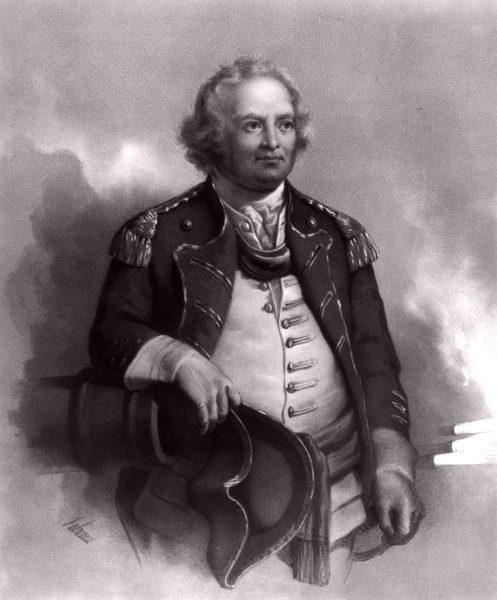
Israel Putnam

Israel Putnam

1718 – 1790

American Revolutionary War general (1718–1790)

Wikidata
Image: Fabronius · Public domain
Read more Show less

Biography

Israel Putnam was a Massachusetts-born veteran of the Seven Years War. Following the Stamp Act, Putnam became a prominent member of the Connecticut Sons of Liberty. Putnam continued to work on his farm until the battle of Lexington and Concord. Pulling himself out of farmwork, Putnam rushed to Boston to find it occupied by the British. Putnam was appointed the rank of major general and winning repute for his courage displayed at Bunker Hill. Putnam became a frequent correspondent of George Washington, however his disastrous defeat at Long Island caused him to be appointed to less tactical positions. Following a stroke in 1779 Putnam resigned his commission. He died in 1790.

JL

James Lovell

1737 – 1814

Educator and statesman from Boston, Massachusetts (1737-1814)

Read more Show less

Biography

James Lovell was a Harvard graduate and revolutionary political leader in the years leading up to the war. Lovell served in congress from 1776-1782 and was one of George Washington’s most outspoken critics during this time. Lovell was suspected of being involved with the Conway Cabal, a plot to have George Washington replaced as commander-in-chief. He was later appointed by Washington to be the naval officer at Boston in 1789.

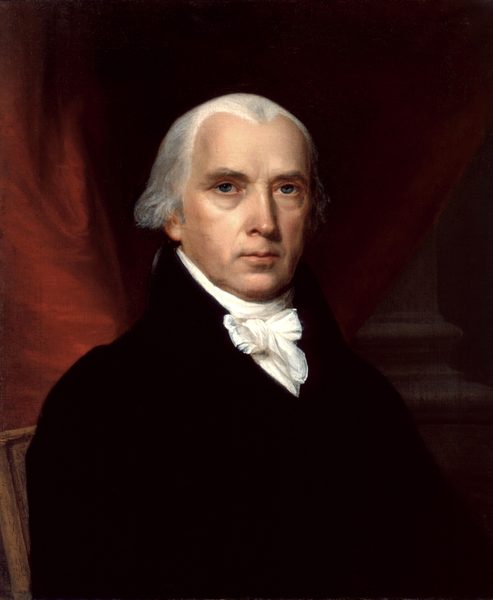
James Madison

James Madison

1751 – 1836

President of the United States from 1809 to 1817

Wikidata
Image: John Vanderlyn · Public domain
Read more Show less

Biography

James Madison began his political career by becoming a member of the Orange County Committee of Safety in 1774. After this, he was elected to the Virginia legislature in 1776. When Thomas Jefferson became governor of Virginia in 1779 he and Madison formed a lifelong friendship, with Madison serving on the Governor’s Council. After this, Madison served in the Continental Congress for three years from 1780-1783 and again in 1787-1788. Madison later played a key-role in drafting the United States Constitution in 1787 and maintained prominence in the House of Representatives from 1789-1797. Madison also served as Thomas Jefferson’s Secretary of State and as the fourth president of the United States.

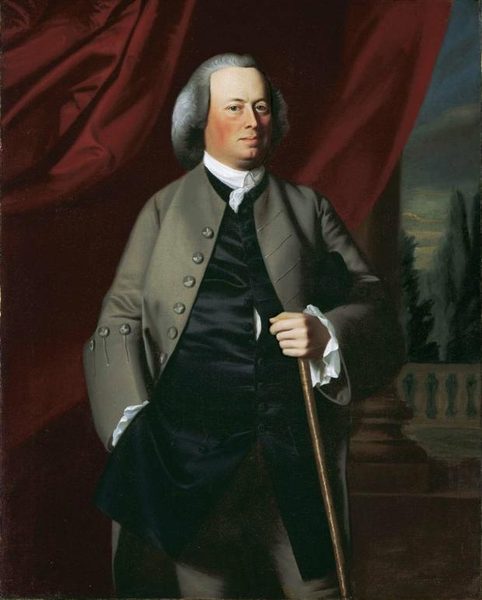
James Warren

James Warren

1726 – 1808

Politician from Massachusetts

Wikidata
Image: John Singleton Copley · Public domain
Read more Show less

Biography

James Warren was a native of Plymouth, Massachusetts and a Harvard graduate who served in the Massachusetts legislature from 1766-1778. After the death of Dr. Joseph Warren, James became president of the Massachusetts Provincial Congress, putting him in frequent contact with George Washington. In July of 1775 Warren became the speaker of the Massachusetts House of Representatives. Warren later opposed the ratification of the Constitution without a Bill of Rights and was twice defeated for Congress.

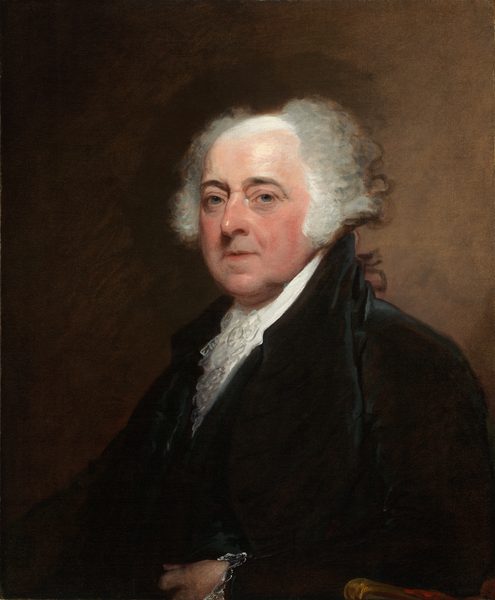
John Adams

John Adams

1735 – 1826

Founding Father, U.S. president from 1797 to 1801

Wikidata
Image: Gilbert Stuart · Public domain
Read more Show less

Biography

John Adams was a Massachusetts Federalist, lawyer, politician, and diplomat. Born in Braintree, Massachusetts and educated at Harvard, Adams became a staunch Patriot. In 1776 he signed the Declaration of Independence. He spent much of the 1770s and 80s serving the newfound nation in a variety of diplomatic positions. He became the country’s first vice-president and second president. Adams retired to Quincy Massachusetts in 1801, where he died on July 4th, 1826. He was the husband of Abigail Adams and father of future president, John Quincy Adams.

Sources

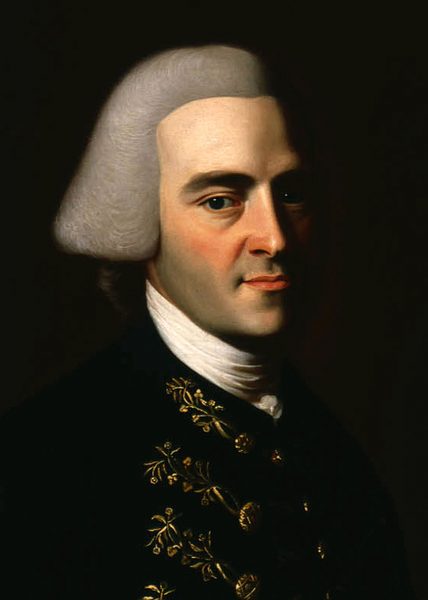
John Hancock

John Hancock

1737 – 1793

American Patriot and statesman during the American Revolution (1737–1793)

Wikidata
Image: John Singleton Copley · Public domain
Read more Show less

Biography

John Hancock was a wealthy Bostonian merchant who first gained prominence after British customs agents accused him of smuggling and confiscated one of his sloops. The charges were ultimately dropped, but that helped Hancock cement his position amongst the other New England revolutionaries. In 1773 Hancock was elected president of the Provincial Congress of Massachusetts. Two years later, after Hancock fled Lexington and Concord fearing arrest, he was elected president of the Continental Congress. As president of the Congress, Hancock became the first man to sign the Declaration of independence, becoming well-known for the size of his signature. He returned to Massachusetts after two and a half years and became governor of Massachusetts from 1780-1785. He briefly retired, before again serving as governor from 1786 until his death in 1793.

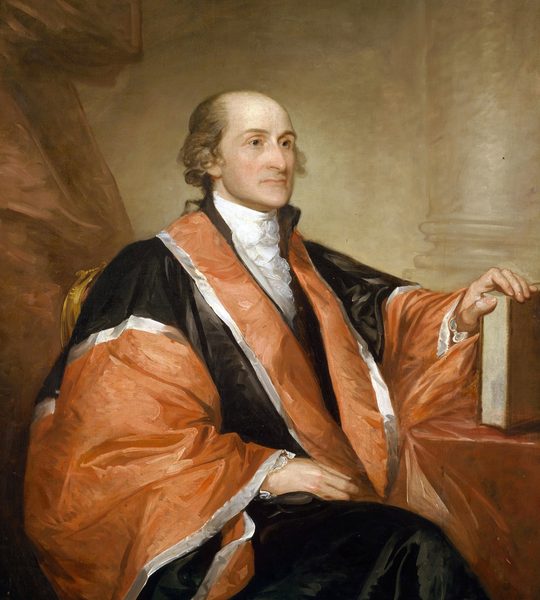
John Jay

John Jay

1745 – 1829

Founding Father, U.S. Chief Justice from 1789 to 1795

Wikidata
Image: Gilbert Stuart · Public domain
Read more Show less

Biography

John Jay came from a prominent background in New York before becoming a revolutionary statesman, author, and diplomat. Throughout his career, Jay was a diplomat to Spain, France, and England. A staunch federalist, Jay helped James Madison and Alexander Hamilton write the Federalist Papers to promote the ratification of the Constitution. Later in his career, Jay served as the first Chief Justice of the United States Supreme Court and governor of New York.

John Sullivan

John Sullivan

1740 – 1795

American general, politician and judge from New Hampshire (1740-1795)

Wikidata
Image: A. Tenney · Public domain
Read more Show less

Biography

John Sullivan was a lawyer and Patriot from New Hampshire who served on the first and second Continental Congress. He was appointed as a brigadier general in the Continental Army, despite little military experience. Sullivan became one of George Washington’s more competent generals. Sullivan is best known for leading an expedition against British-allied Indigenous communities in 1779, before stepping down due to poor health later that year. Sullivan re-entered politics and served on the Continental Congress from 1780-1781, and later served as the Chief Executive of New Hampshire in the late 1780s.

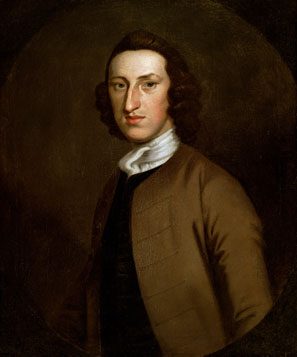
Jonathan Trumbull, Sr.

Jonathan Trumbull, Sr.

1710 – 1785

Revolutionary-era Governor of the Colony and State of Connecticut

Wikidata
Image: John Trumbull · Public domain
Read more Show less

Biography

Jonathan Trumbull, Sr was the only colonial governor to side with the Patriots during the Revolutionary War. He served as Connecticut’s Chief Executive from 1769-1784, during which Connecticut transitioned from British colony to an American state. Trumbull was responsible for the flow of food, clothing, and other supplies from his colony to the Continental Army; which allowed him to establish a close relationship with George Washington. Three of Trumbull’s sons, Joseph, Jonathan Jr., and John also served with distinction in the War.

Jonathan Williams, Jr.

Jonathan Williams, Jr.

1751 – 1815

Politician

Wikidata
Image: Thomas Sully · Public domain
Read more Show less

Biography

Jonathan Williams, Sr., the grandson of Benjamin Franklin’s half-sister Anne Franklin Harris, was a commercial agent in France during the Revolutionary War. His primary responsibility during the war was to inspect the arms and other supplies being sent to the United States. After returning to the United States in 1785 he became a successful merchant and worked with Franklin on some of his experiments. Later, he was appointed inspector of fortifications and superintendent at West Point.

Joseph Reed

Joseph Reed

1741 – 1785

Biography forthcoming.

Image: Pierre Eugène du Simitière · PublicDomain
Read more Show less

Biography

Joseph Reed, a lawyer from Philadelphia, became President of the Pennsylvania Provincial Congress in 1775. The same year he became a lieutenant colonel in the Pennsylvania militia. He was appointed George Washington’s military secretary and in 1776 became adjutant general of the Continental Army. He also served as delegate to the Continental Congress from 1777–78, and president of Pennsylvania from 1778–81.

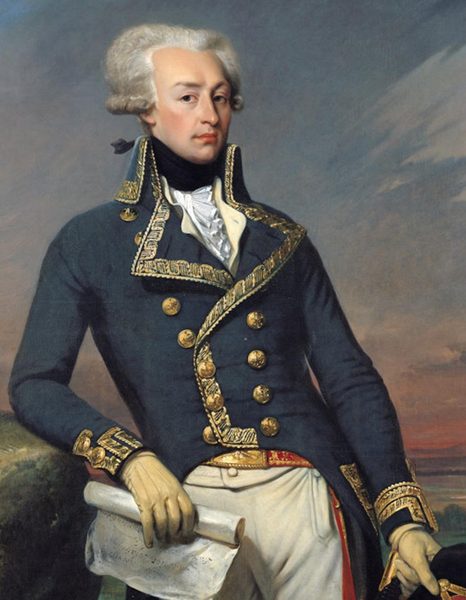
Marie-Joseph-Paul-Yves-Roch-Gilbert du Motier Lafayette, marquis de

Marie-Joseph-Paul-Yves-Roch-Gilbert du Motier Lafayette, marquis de

1757 – 1834

French general and politician (1757–1834)

Wikidata
Image: Joseph-Désiré Court · Public domain
Read more Show less

Biography

Marquis De Lafayette came to the United States at nineteen years old. Already a French Captain, he embraced the ideals of the American revolution and became a close friend and advisor to George Washington. Lafayette fought in New York and Pennsylvania in 1778, before returning to France to garner French support for the Revolution. Upon his return, Lafayette played a pivotal role in the victory at Yorktown. Throughout the war Lafayette became close with several founding fathers such as Washington, Jefferson, and Madison. He was revered for the role he played in the United States winning its independence and was buried with soil from the United States upon his death in 1834.

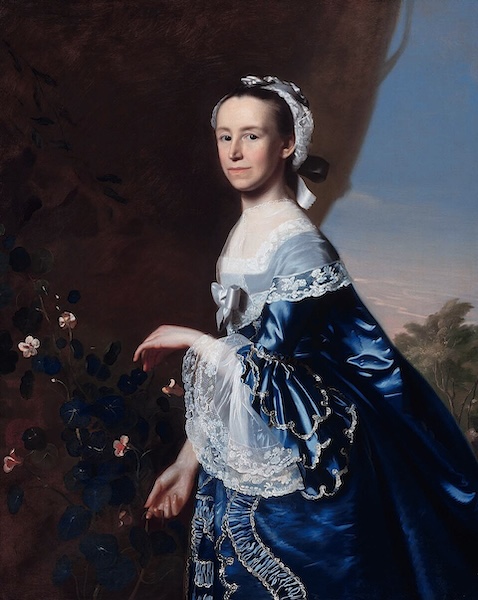
Mercy Otis Warren

Mercy Otis Warren

1724 – 1814

Writer

Wikidata
Image: John Singleton Copley · Public domain
Read more Show less

Biography

Forthcoming

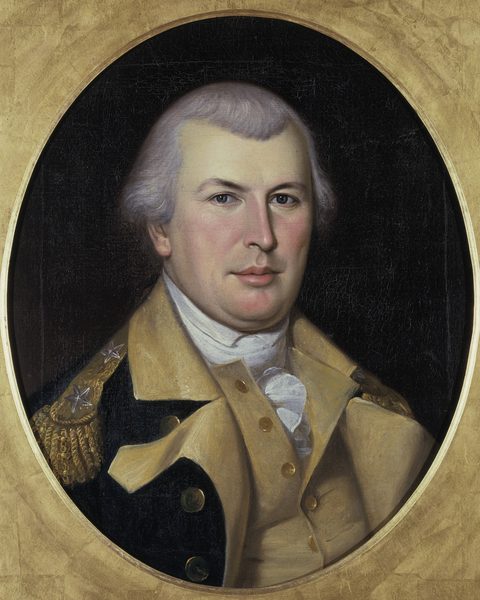
Nathanael Greene

Nathanael Greene

1742 – 1786

Continental general

Wikidata
Image: Charles Willson Peale · Public domain
Read more Show less

Biography

Nathanael Greene was one of George Washington’s most trusted and competent generals throughout the Revolutionary War. Born in Rhode Island to a prominent Quaker family, Greene joined the Patriot cause soon after Lexington and Concord and served throughout the war, primarily the Southern campaign. At the Wars end he retired to his estate in Georgia, where he died a few years later.

Philip Schuyler

Philip Schuyler

1733 – 1804

American politician and general (1733–1804)

Wikidata
Image: Mirror-image copy of a portrait of Philip Schuyler. Painted by Jacob H. Lazarus (1822-91) from a miniature painted by John Trumbull · Public domain
Read more Show less

Biography

Philip Schuyler was a delegate to New York in the Second Continental Congress. While there, he met George Washington and the two struck up a friendship. During the Revolutionary War Schuyler commanded the New York Department until August 1777, he resigned his commission in 1779. He continued to serve the Continental Congress in 1777, 1779, and 1780. In 1780 he assisted Washington in reorganizing the Army’s staff departments and developing cooperation with the French. He is the father-in-law to Alexander Hamilton.

Robert Howe

Robert Howe

1732 – 1786

Continental Army general from North Carolina

Wikidata
Image: Unknown authorUnknown author · Public domain
Read more Show less

Biography

Robert Howe was a rice planter from North Carolina who became Colonel of the 2nd North Carolina regiment, which was taken into the Continental Army. In 1775 Howe marched his troops to Virginia to help defend the colony. The next year Howe became a brigadier general and was then given command of the southern department, in October 1777 he was promoted to major general. Howe served until the end of the war, spending later years in the north with George Washington.

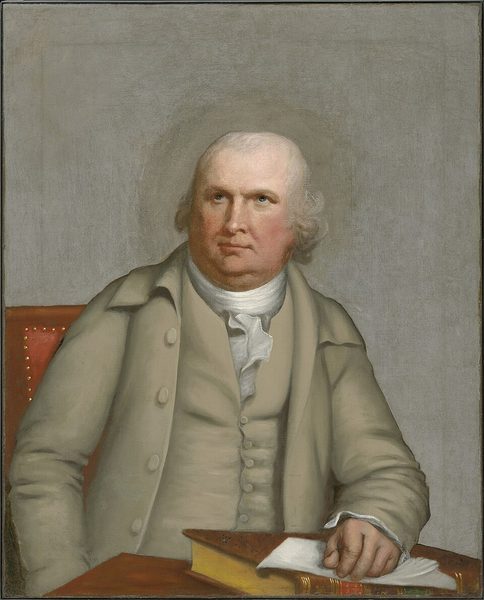
Robert Morris

Robert Morris

1734 – 1806

Financier and Founding Father of the United States

Wikidata
Image: Robert Edge Pine · Public domain
Read more Show less

Biography

Robert Morris was one of the colonies’ wealthiest merchants, a member of the Pennsylvania Committee of Safety, and a delegate to the Second Continental Congress. Morris played a major role in financing the War. He was superintendent of finance from 1781-1781. After the war Morris and his wife became close friends of the Washingtons.

Robert R. Livingston

Robert R. Livingston

1746 – 1813

Lawyer, politician, diplomat and founding father

Wikidata
Image: Attributed to Gilbert Stuart · Public domain
Read more Show less

Biography

Robert R. Livingston was one of George Washington’s most loyal supports during the war. He served in the Continental Congress and as secretary for foreign affairs from 1781 to 1783 and held the post of Chancellor of New York (its highest ranking judical position) from 1777 to 1801. Livingston supported the ratification of the Constitution and delivered the presidential oath of office to George Washington in 1789. After being overlooked for an appointment Livingston began supporting Washington’s opponents in 1793.

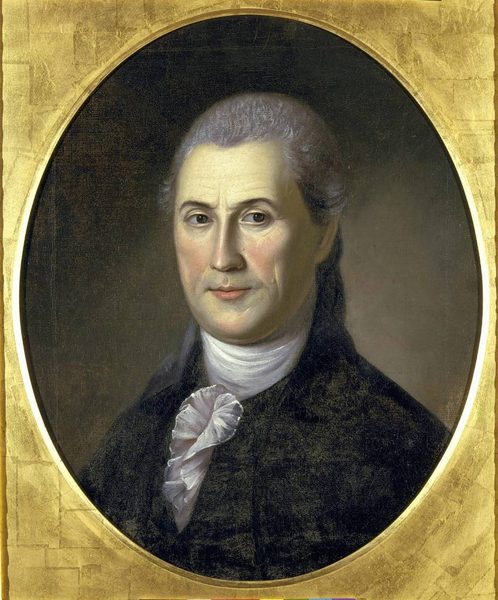
Samuel Huntington

Samuel Huntington

1731 – 1796

Politician from Connecticut

Wikidata
Image: Charles Willson Peale · Public domain
Read more Show less

Biography

Samuel Huntington was a native of Massachusetts. He was admitted to the Connecticut bar in 1758 and served in the colony’s legislature throughout the 1760s and 1770s. He was a member of the Continental Congress from 1775-1784, serving as president from 1779-1781. In 1786 he became governor of Connecticut, holding the position for 11 years. He was a staunch supporter of the Constitution and had campaigned in Connecticut for its ratification.

Silas Deane

Silas Deane

1737 – 1789

Politician

Wikidata
Image: William Johnston · Public domain
Read more Show less

Biography

Silas Deane was a delegate of the first Continental Congress from Connecticut. In 1776 he was tasked with travelling to France to secure French aid in the war. Initially successful, Deane was later recalled and replaced with John Adams after financial irregularities came to light, Later, while Deane was back in France trying to clear his name, letters written by Deane questioning the Revolution were published in newspapers, he became effectively banned from entering the United States, dying mysteriously in 1789.

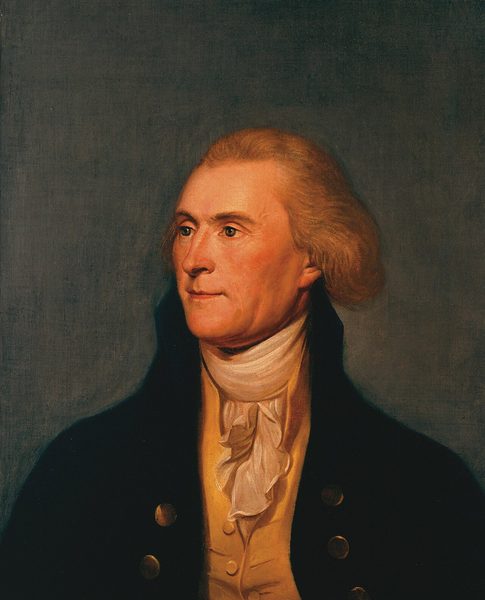
Thomas Jefferson

Thomas Jefferson

1743 – 1826

president of the United States from 1801 to 1809 (1743–1826)

Wikidata
Image: Rembrandt Peale · Public domain
Read more Show less

Biography

Thomas Jefferson was a founding father, third president of the United States, and governor of Virginia. A Virginia native, Jefferson authored the Declaration of Independence and the Virginia for Religious Freedom. After the war, Jefferson served as minister to France and Secretary of State before briefly retiring to his home, Monticello, in 1793. He left retirement and ran for president in 1800 and 1804, winning both times. As president he bought the Louisiana territory from France and led the nation through the first barbary war. Jefferson spent the final years of his life establishing the University of Virginia in Charlottesville, VA.

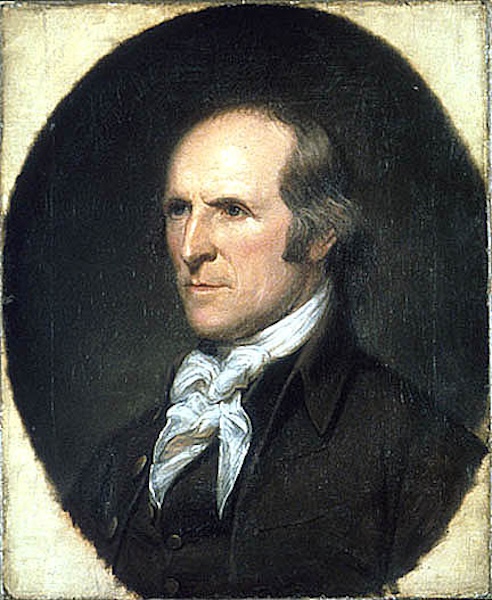
Timothy Pickering

Timothy Pickering

1745 – 1829

Biography forthcoming.

Image: Charles Willson Peale · PublicDomain
Read more Show less

Biography

Timothy Pickering was a lawyer from Salem, Massachusetts before serving as adjunct general in the Continental army from June 1777 to January 1778, and as quartermaster general from 1780 to 1785. Additionally, he was Washington’s postmaster general, secretary of war, and secretary of state. Afterwards, he returned to Massachusetts where he was elected to the U.S. Senate and later the U.S. Congress.

William Alexander, Lord Stirling

William Alexander, Lord Stirling

1726 – 1783

Officer in the Continental army (1775-1783)

Image: NYPL · PublicDomain
Read more Show less

Biography

William Alexander started as a Colonel in the New Jersey colonial militia before being promoted to Brigadier General in the Continental Army in 1776. Alexander bravely held off the British at the Battle of Long Island, allowing George Washington to escape and resulting in his capture and subsequent detainment. He was exchanged later that year, promoted to Major general in ear;y 1778 and took part in the Battle of Brandywine. Additionally, Alexander had a hand in exposing the Conway Cabal. An avid lover of food and drink, Alexander died of gout just a few months before the Treaty of Paris was signed.

William Heath

William Heath

1737 – 1814

American politician (1737-1814)

Wikidata
Image: Unknown authorUnknown author · Public domain
Read more Show less

Biography

William Heath was a farmer from Roxbury Massachusetts before serving as a brigadier and major general in the Continental Army during the Revolutionary War. After the war, Heath served as a state senator in Massachusetts during the 1790s. Heath was a strong supporter of Jefferson, but was defeated in his bid for Congress in 1798.

William Livingston

William Livingston

1723 – 1790

American politician

Wikidata
Image: John Wollaston the Younger · Public domain
WM

William Maxwell

1733 – 1796

Brigadier general in the Continental Army